“[To be] …conscious and aware enough to choose what you pay attention to and to choose how you construct meaning from experience.”
- David Foster Wallace


Jeremy Foss is a community-focused professional with more than a decade of experience in harm reduction, outreach, and trauma-informed support.
Jeremy is a registered therapist, researcher and published academic author. He has also designed programs, which he has implemented with various groups in different settings.

He is trained in Trauma Informed Care, Psychedelic Integration, Harm Reduction, Narrative Therapy, Accelerated Resolution Therapy, Grief Support, and Social Emotional Learning. He holds degrees from the University of New Brunswick (both Saint John and Fredericton campuses), St. Thomas University and Memorial University. His background includes working as a TESL (Teaching English as a Second Language) teacher in Mexico, and a U.S. State Department approved Internship, through the Washington Center in Washington D.C., where he attended the Hate Speech, Propaganda and Civil Engagement Leadership Summit at the U.S. National Holocaust Museum in 2012.
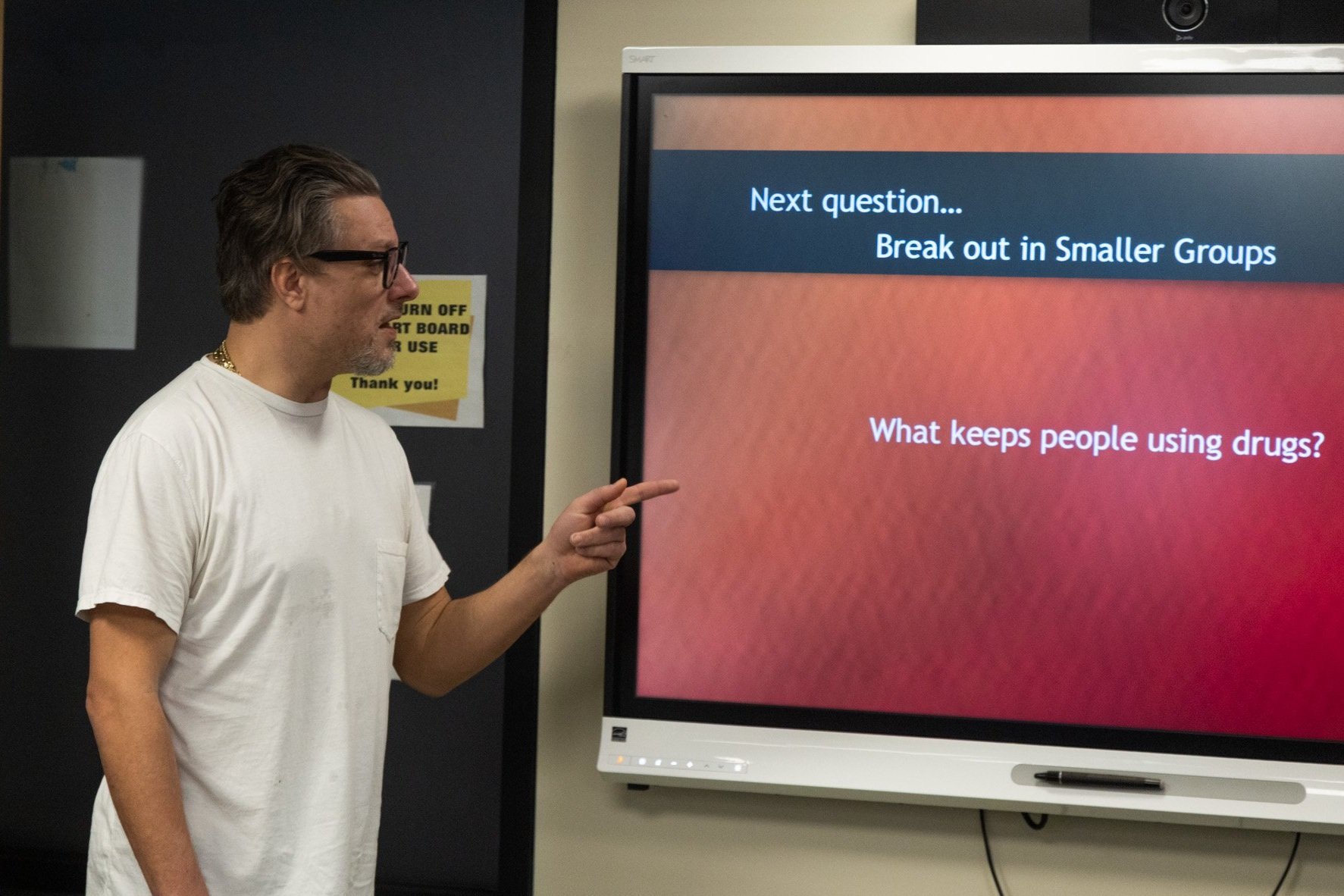
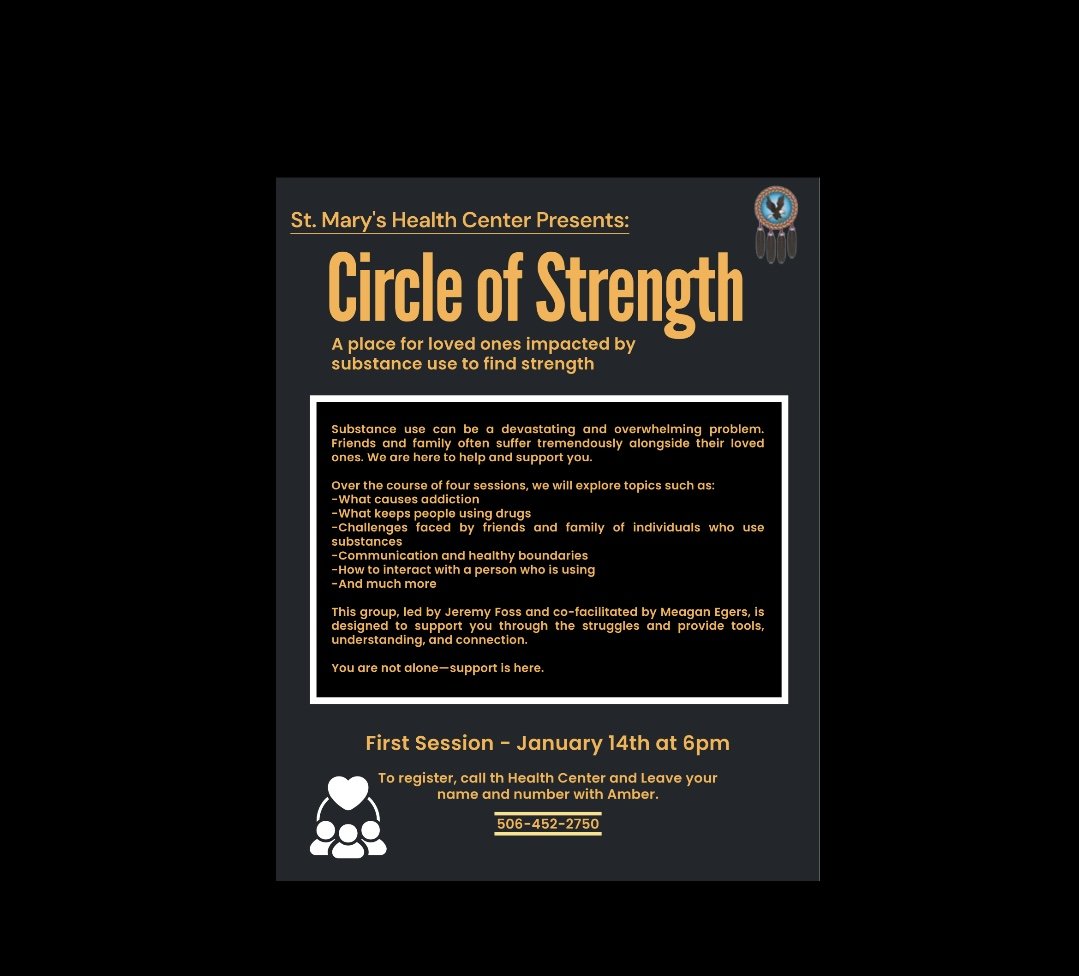
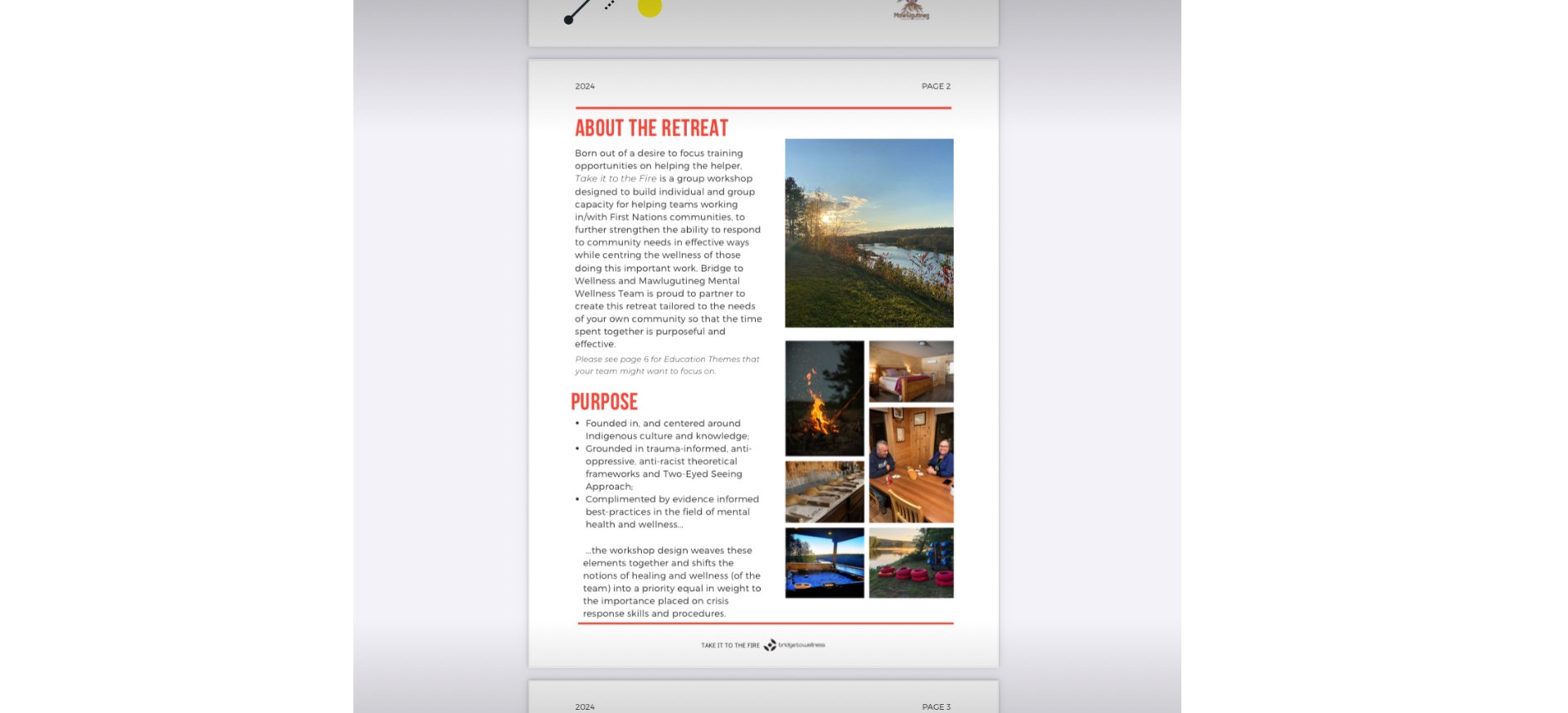
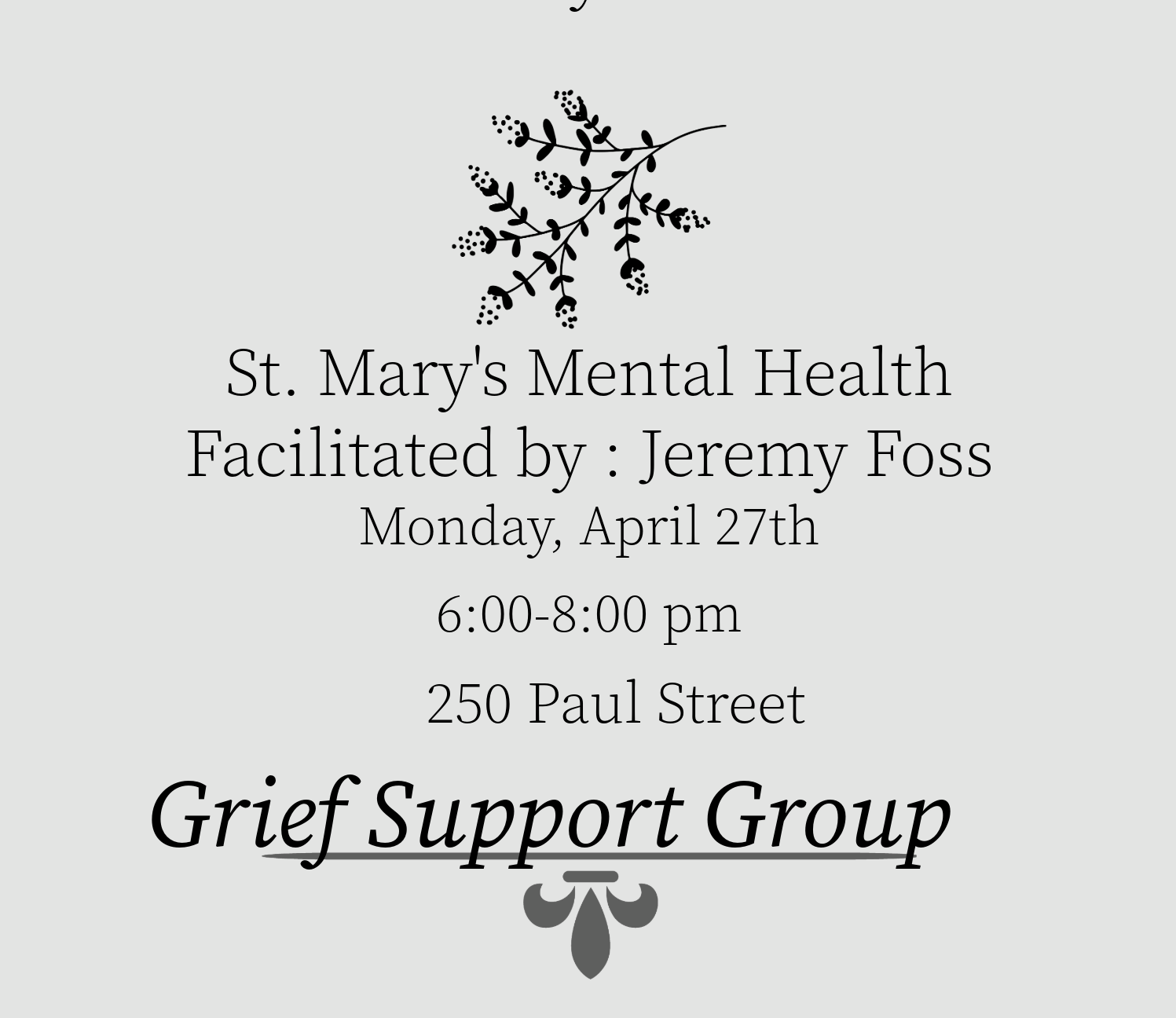
He has researched, authored and published peer-reviewed articles in the fields of Harm Reduction and Psychedelic Integration. He has assisted in implementing various programs including "Take it to the Fire" (a 'healing the helpers' program for front-line workers), S.T.E.P.P.S (Systems Training for Emotional Predictability and Problem Solving), Grief Cafés, and Naloxone Trainings. Jeremy has developed and run groups on subjects such as supporting loved ones who suffer from substance use (Circle of Strength), and Social Emotional Learning and Creativity as a therapeutic coping skill for Youth.
Jeremy's rich and varied life experiences have informed his distinctive, multi-layered approach to therapy. After graduating high school, Jeremy spent time working in the trades. He was employed in the oil fields of Alberta, then returned to become a welding apprentice for a period. He also spent time in landscaping and worked in a variety of restaurants as he completed his education degrees.
"Let the past hold on to itself and let the present move forward into the future." -Douglas Adams
"Let the past hold on to itself and let the present move forward into the future." -Douglas Adams
-
”Understanding the story of your life.”
Narrative Therapy is a collaborative, client-centered counseling approach that separates individuals from their problems, viewing issues like anxiety or depression as external forces rather than internal flaws. Developed by Michael White and David Epston, it helps people "re-author" their life stories by identifying strengths, values, and alternative narratives that promote healing and, ultimately, reduce shame and blame.
-
“An approach to substance use that aims to reduce the harm to all involved.”
Harm reduction, or harm minimization, refers to a range of intentional practices and public health policies designed to lessen the negative social and/or physical consequences associated with various human behaviors, both legal and illegal.
-
“How to understand and use what you learn during an experience in your day to day life.”
Psychedelic integration is the essential, ongoing process of making sense of, processing, and embodying the insights, emotions, and shifts in perspective gained during a non-ordinary state of consciousness (induced by substances like psilocybin, ketamine, ayahuasca, or MDMA). It is widely considered the bridge between a momentary, transformative "trip" and lasting, actionable, and positive life changes.
-
“A variation on the EMDR (Eye Movement Desensitization and Reprocessing) Technique.”
Accelerated Resolution Therapy (ART) is a brief psychotherapy approach that uses techniques like rapid eye movements and guided imagery to quickly reprocess traumatic memories and reduce their emotional/physical impact. Developed in 2008, by Lainey Rosenzweig, it often achieves significant results in just one to five sessions by replacing negative images with positive, adaptive ones without requiring patients to detail their trauma.
-
“A strengths based, goal orientated approach to problems.”
Solution focused brief therapy (SFBT) is a future-oriented, evidence-based psychotherapy that focuses on building solutions rather than analyzing problems. Developed in the 1970s by Steve de Shazer and Insoo Kim Berg to help clients achieve goals by identifying strengths, exceptions to problems, and preferred futures.
-
“Trauma-informed approach is founded on the understanding that trauma can pervasively affect an individual's well-being, including physical and mental health.”
A trauma-informed approach recognizes the widespread impact of trauma and acknowledges that many individuals have experienced it, shifting the focus from "What is wrong with you?" to "What happened to you?". It prioritizes physical, psychological, and emotional safety, fosters trustworthiness, and aims to avoid re-traumatization while promoting recovery and resilience in various settings.
Therapeutic Offerings...
Programming…